01Wet or dry process
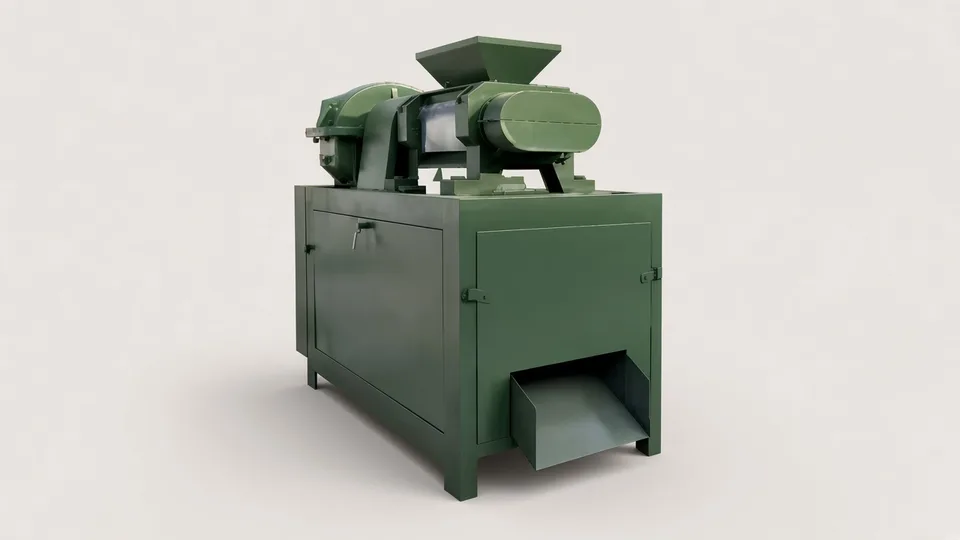
Disc pan, rotary drum and stirring tooth granulators roll or agitate a moist powder into balls and need a dryer after them. Double roller compactors press dry powder into flakes or briquettes and need no dryer, but the granule is less round and the material must bind under pressure.
02The whole line behind the granulator
A wet granulator alone makes soft, wet granules. Crusher, mixer, dryer, cooler, screen, recycle conveyor and coater are what turn them into a product. Ask which of these the price covers.
03Wear surfaces
Disc liners, drum lifters, roller sleeves and stirring teeth all wear against minerals and salts. Ask for the material, whether roller sleeves can be changed without replacing the shaft, and the price of each wear set.
04Corrosion
Urea, ammonium salts and acid manures attack mild steel. Ask which contact parts are stainless or lined, and which are painted carbon steel.
05Recycle rate
Oversize and fines are screened out and fed back. A high recycle rate means the granulator's headline figure overstates saleable output. Ask for saleable granules per hour, not throughput.